
 WhatsApp
Cart is empty
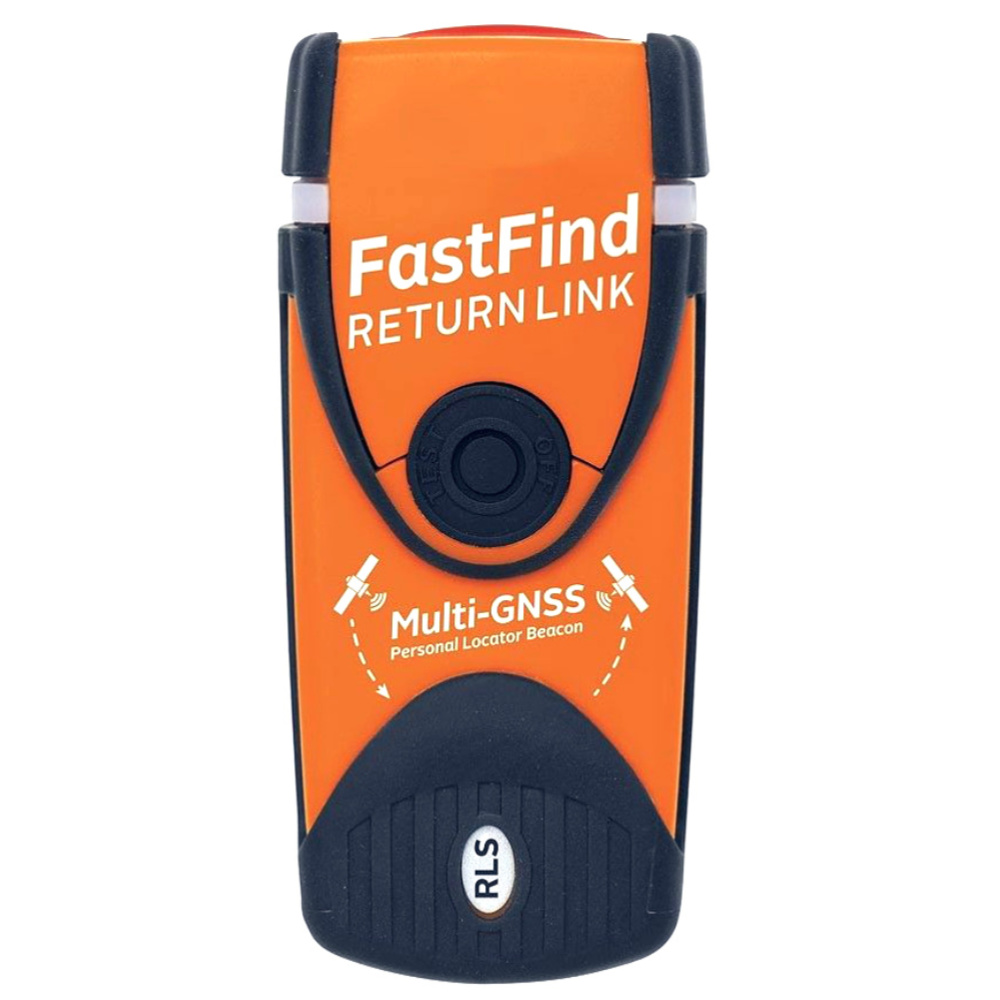
Marine VHF regulations for recreational boats in Spain
Marine VHF rules for recreational boats in Spain
Radio equipment on Spanish recreational boats is governed by Royal Decree 1185/2006, consolidated version (last official amendment 20 July 2022). These radio rules apply to Spanish-flagged boats; a foreign-flagged boat follows the radio rules of its flag state, although owners resident in Spain must carry the Spanish safety equipment within 12 miles under Royal Decree 339/2021.
Navigation zones 1 to 7 are those in article 3 of Royal Decree 339/2021: zone 1, unlimited; zone 2, up to 60 miles from the coast; zone 3, up to 25 miles; zone 4, up to 12 miles; zone 5, not more than 5 miles from a shelter or an accessible beach; zone 6, not more than 2 miles; zone 7, sheltered waters. In the table, DGMM registration numbers are shown without expiry dates, and only active products from the shop are linked, and only where we have been able to verify homologation when that verification is required.
These radio rules apply to Spanish-flagged boats; a foreign-flagged boat follows the radio rules of its flag state, although owners resident in Spain must carry the Spanish safety equipment within 12 miles under Royal Decree 339/2021.
Equipment by navigation zone
| Zone | Required equipment and models |
|---|---|
| 1 Unlimited |
|
| 2 Up to 60 miles |
|
| 3 Up to 25 miles |
|
| 4 Up to 12 miles |
|
| 5 Up to 5 miles from a shelter or an accessible beach |
|
| 6 and 7 Up to 2 miles, or sheltered waters |
|
AIS is not generally mandatory for recreational boats less than 45 metres long. If it is fitted voluntarily, a verified Class B transponder is the Icom MA-510TR (57.0073). See also AIS, fixed VHF, handheld VHF and antennas.
Ship station licence (LEB) and MMSI
Recreational boats navigating in zones 4 to 7 are exempt from the duty to hold a ship station licence (licencia de estación de barco, LEB) issued by the Dirección General de la Marina Mercante, unless they voluntarily fit a fixed set with digital selective calling or an EPIRB, in which case they must have an MMSI and an LEB. Apply to the Capitanía Marítima if the boat is under 24 metres, and to the DGMM if it is 24 metres or over. Portables used only for maritime emergencies may be exempt from the LEB.
Skipper titles and radio operator courses
Recreational boats must have personnel holding the relevant skipper title (patrón de navegación básica, patrón de embarcaciones de recreo, patrón de yate or capitán de yate) who is responsible for the use of the radio equipment. The short-range radio-operator course is compulsory for the PER, patrón de yate and capitán de yate; the patrón de navegación básica title has its own radiocommunications course. The long-range course is optional.
Check with your Capitanía
Because the rules can be interpreted differently in practice, we recommend that you confirm the requirements with the inspector or the Capitanía Marítima for your area before you buy or install equipment. As application of the rules may vary by area, check with the Capitanía for your port for further information.
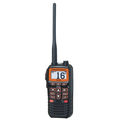
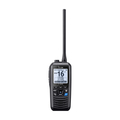
Handheld VHF
-16%
 -19%
 -9%
 -16%
 -3%
 -20%
 -20%
 -9%
 Special Offer
 -19%
-16%
-19%
-9%
-16%
-3%
-20%
-20%
-9%
Special Offer
-19%