
 WhatsApp
Cart is empty
Actisense USG-2 Isolated USB to NMEA 0183 Gateway
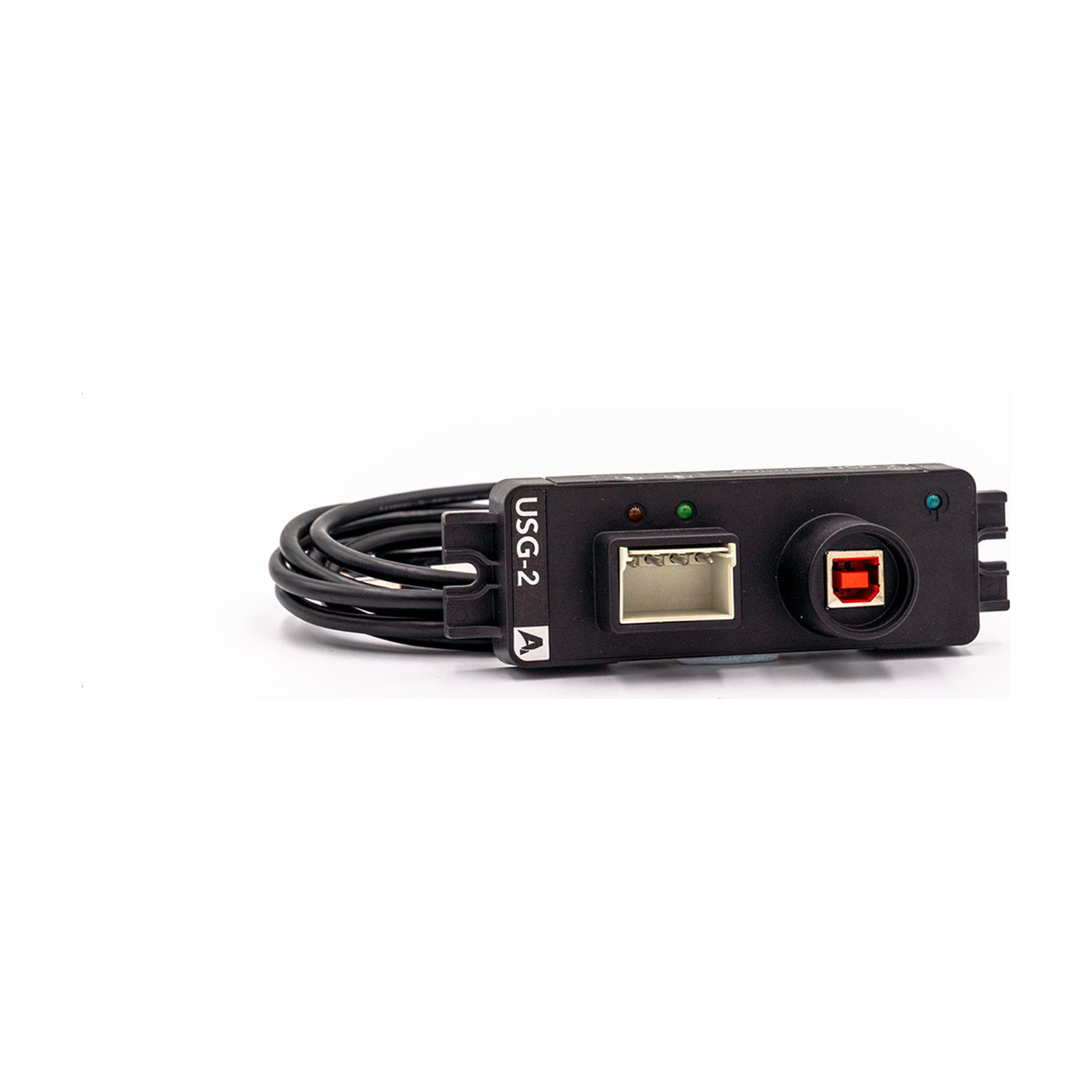
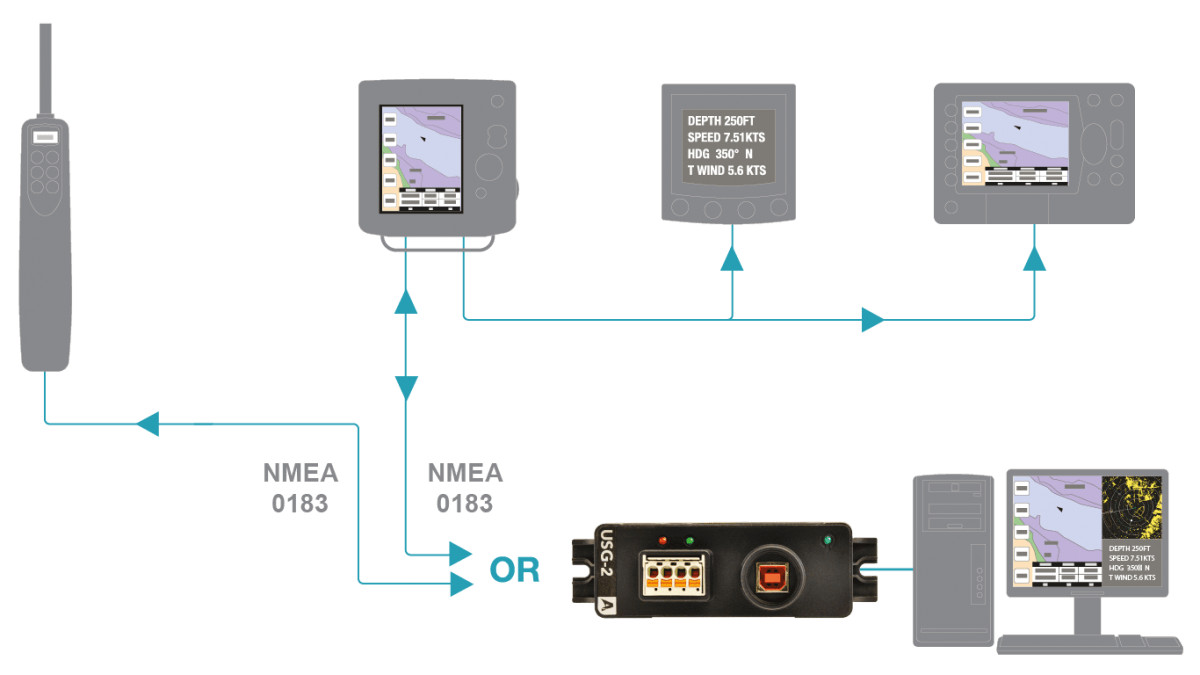



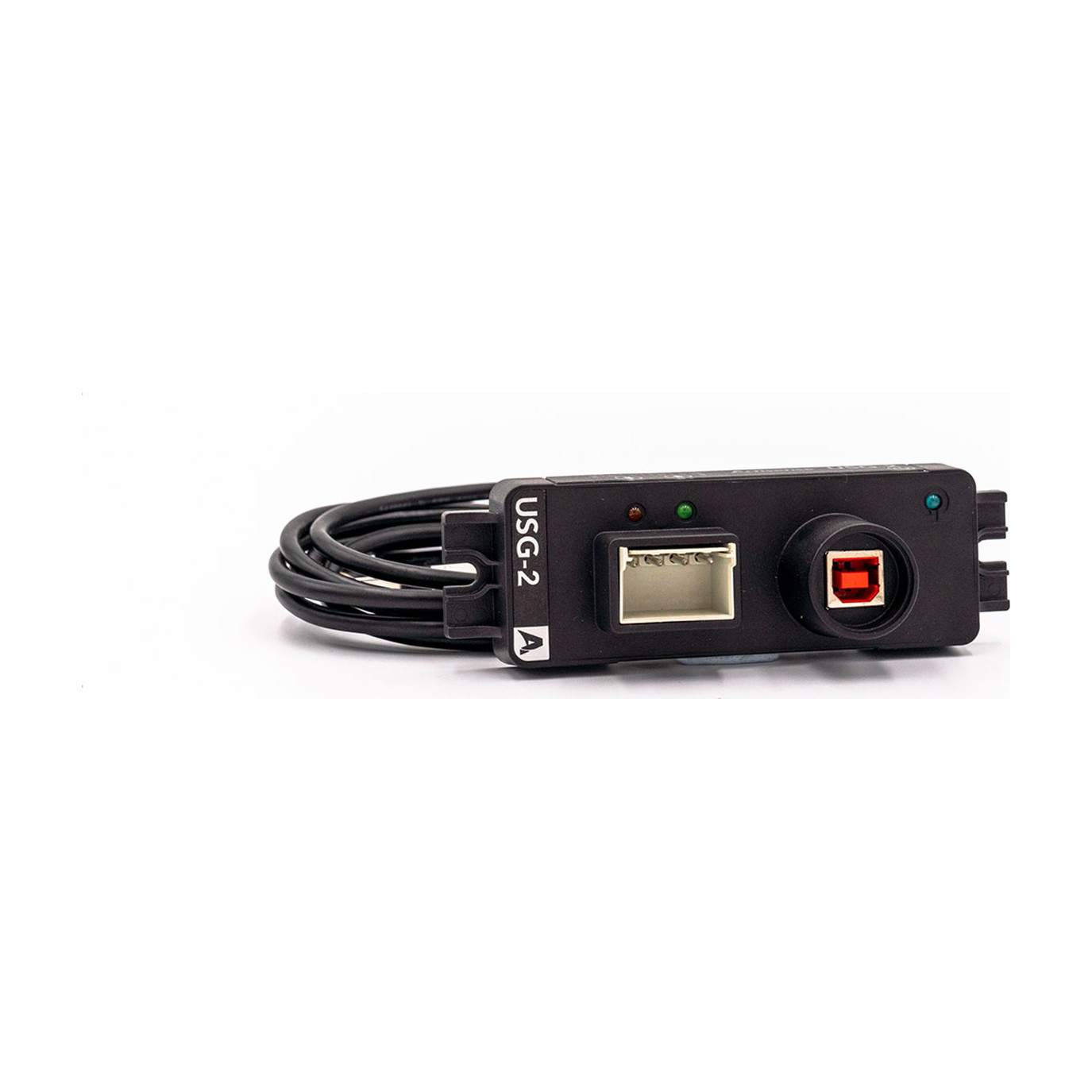
Connect compatible NMEA 0183 instruments to a computer USB port with the Actisense USG-2. Its opto-isolated input and ISO-Drive output protect the serial connection and help avoid ground loops between the PC and onboard equipment.
Bidirectional serial data — One isolated listener and one isolated talker support NMEA 0183, RS422 and RS232 applications. Match the wiring and baud rate to the instrument and software.
USB-powered installation — The gateway takes its power from USB. The supplied2m USB lead has the sealing plug specified for the high-retention socket.
Connections
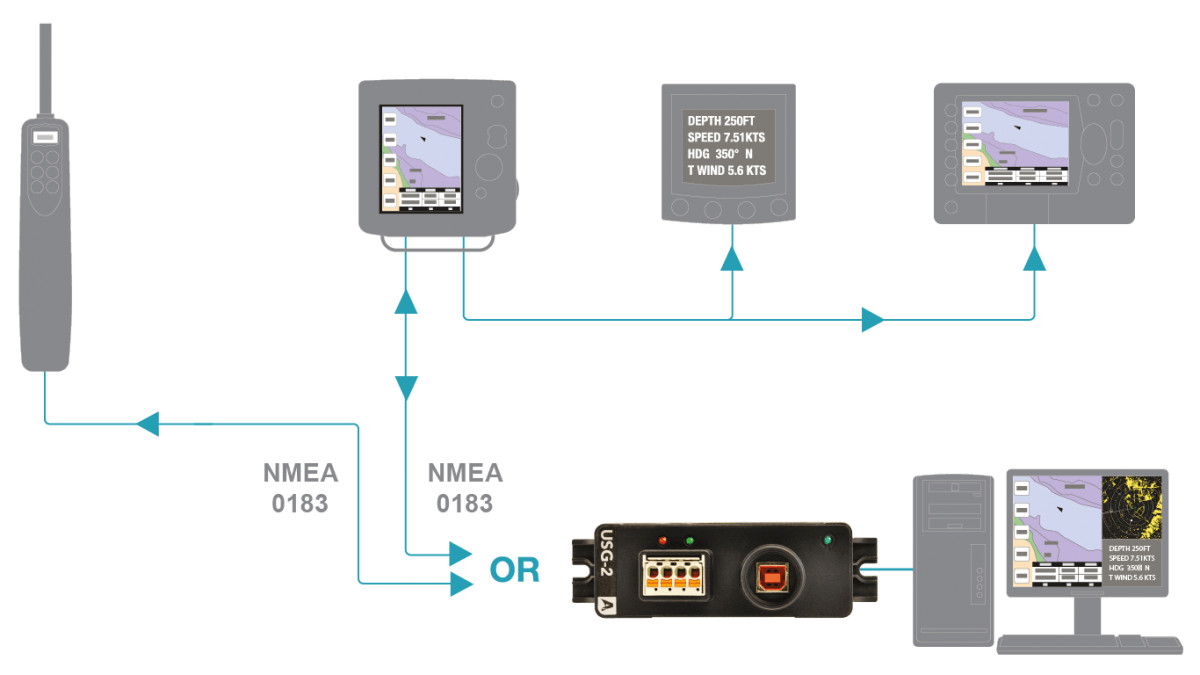
Dimensions
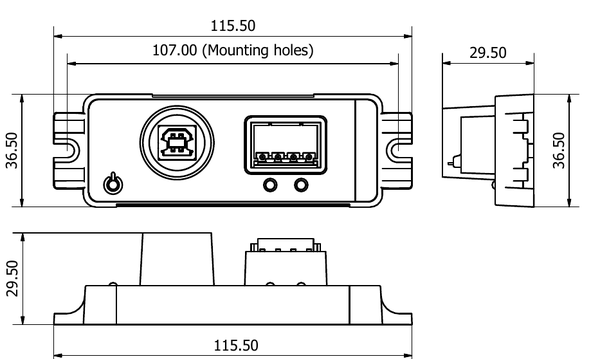
All dimensions in mm. Drawing: Actisense.
Fitting
Follow the exact manufacturer wiring/configuration instructions. Verify supply, connector pinout and system compatibility before applying power.
Maintenance
Inspect connectors and strain relief, keep seals correctly fitted and disconnect power before wiring work. Where firmware applies, use the manufacturer update procedure for this model.
FAQ
Does it convert NMEA 2000 PGNs? — No. This is a USB/serial NMEA 0183 interface. For NMEA 2000 choose a suitable NGX-1 or wireless gateway.
Does it need firmware configuration? — The unit has no configurable firmware. The computer still needs the appropriate USB driver and matching application COM-port settings.
What if the PC already has a DB9 serial port? — OPTO-4 is the serial-port alternative, with listener-side isolation rather than the USG-2 bidirectional-isolation arrangement.
Specifications
| Power | USB bus; maximum50mA |
| Serial ports | 1 isolated listener +1 isolated talker |
| Compatibility | NMEA 0183 / RS422 / RS232 |
| NMEA baud rate | 4,800–230,400 baud |
| USB connection | Type B high-retention socket |
| USB lead | 2m Type A–Type B with custom sealing plug |
| Protection | IP67 encapsulated electronics |
Included
- 1 × USG-2 gateway
- 1 ×2m USB Type A–Type B lead with sealing plug
- Mounting screws as specified by Actisense
No posts found

